
Introduction
Retail businesses in the USA operate in a variety of industries, each with its own unique customer needs and market trends. Retail business vertical classification helps companies focus on specific products, services, or audiences. By understanding these verticals, businesses can create better marketing strategies, manage inventory efficiently, and serve their customers effectively. Knowing the role of business verticals in industry growth is essential for retailers looking to expand in competitive markets.
The classification of retail businesses is not just about organizing products. It reflects deeper insights into customer behavior and market dynamics. Understanding business verticals across different markets allows companies to identify opportunities and reduce risks. From small shops to enterprise giants, knowing how business vertical classification improves business decisions ensures sustainable growth and targeted operational strategies.
What Is Retail Business Vertical Classification
Retail business vertical classification means the method of dividing retail companies into distinct categories based on products, services, or target audiences. This classification enables businesses to focus on specific markets and refine their strategies. For example, fashion retailers follow a different vertical than electronics stores. How business vertical classification works in modern industries helps retailers identify profitable segments and optimize resources.
The core purpose of retail business vertical classification is to improve decision-making and market focus. It enables companies to adopt vertical industry marketing strategies and serve customers more effectively. By using these classifications, businesses can plan inventory, manage promotions, and deliver targeted experiences. In the USA, this approach helps retailers respond quickly to changing consumer preferences and industry trends.
Types of Retail Business Vertical Classification
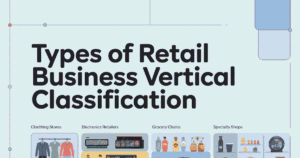
Retail verticals fall into two main types: physical store-based and digital. Physical store retail business vertical classification includes department stores, supermarkets, and specialty shops. These stores rely on location, foot traffic, and product categories to attract customers. A vertical industry focus for long-term success ensures these stores optimize their operations for the vertical they serve.
On the other hand, the classification of online and digital retail business verticals is growing rapidly. E-commerce platforms like Amazon, Walmart, and Shopify allow retailers to target specific audiences using analytics and AI. How companies choose a specific business vertical online involves data-driven strategies to understand preferences, track trends, and predict sales. Both types of verticals provide clear paths for growth depending on market needs.
Retail Business Vertical Classification in the USA
In the USA, consumer behavior shapes retail business vertical classification. Americans value convenience, quality, and variety. USA consumer behavior and retail verticals influence which verticals succeed, from fast fashion to electronics. Businesses must analyze preferences, seasonal trends, and income patterns to make informed decisions. Market segmentation based on industry verticals helps retailers maximize revenue and customer satisfaction.
Retail industry growth by vertical shows that some sectors expand faster than others. For instance, e-commerce, health and wellness, and technology retail verticals are growing rapidly. Below is a table showing the top industry verticals in the United States with their average annual growth rates:
| Retail Vertical | Growth Rate (USA) | Key Drivers |
|---|---|---|
| Fashion and Apparel | 5% | Fast fashion, online shopping |
| Electronics and Technology | 6% | New gadgets, smart devices |
| Grocery and Food | 3% | Convenience, health-conscious trends |
| Health and Wellness Products | 7% | Fitness, supplements, organic foods |
| Home Improvement and Furniture | 4% | DIY trends, home remodeling |
This table highlights how understanding vertical markets in the US economy helps businesses plan their strategies efficiently.
Product-Based Retail Business Vertical Classification
The fashion and apparel retail vertical includes clothing, accessories, and footwear. Brands like Nike, Zara, and Gap target specific age groups or lifestyles. Examples from real-world companies show that focusing on a single product category can lead to brand loyalty and higher profits. Retailers use business-vertical segmentation strategies to match product offerings to consumer demand.
The electronics and technology retail vertical focuses on gadgets, computers, and smart devices. Companies like Apple and Best Buy specialize in these verticals. They implement vertical business models with practical examples to offer specialized services and personalized experiences. Vertical examples in technology and healthcare indicate that specialization increases efficiency and customer satisfaction.
Customer-Based Retail Business Vertical Classification
The mass market retail vertical targets a broad audience. Retail giants like Walmart and Target serve millions of customers with a diverse range of products. Business verticals used by enterprise companies illustrate how mass-market strategies maximize reach while controlling costs. A business-vertical approach to targeted customers allows mass retailers to segment audiences further by preferences and location.
Niche and luxury retail verticals target smaller, specific customer groups. Brands like Louis Vuitton or Tesla focus on premium consumers. These verticals rely on exclusivity, quality, and experience. Business vertical model for niche markets demonstrates how focused strategies can command higher margins and brand prestige. Understanding why vertical markets matter in competitive industries is key for these retailers.
Retail Business Vertical Classification vs Horizontal Retail Model
The vertical retail business model explained focuses on one industry or product category. Companies gain expertise, optimize operations, and build strong brand recognition. Vertical market structure used by growing businesses shows why specialization often leads to higher efficiency and customer loyalty. The difference between vertical and horizontal market strategies highlights that verticals are about focus, while horizontals are about breadth.
The horizontal retail business model explained covers multiple product categories across industries. Retailers like Amazon initially followed this approach, offering everything from books to electronics. The vertical market vs horizontal market comparison shows that horizontals gain reach but may struggle with specialization. Choosing the right model depends on business goals and market opportunities.
Role of Technology in Retail Business Vertical Classification
E-commerce platforms like Shopify and Magento enable retailers in the retail verticals to reach wider audiences. Technology allows businesses to analyze data, personalize marketing, and optimize inventory. How business verticals improve business decisions through digital tools ensures retailers stay competitive in fast-changing markets.
AI and data use in retail classification help predict trends, optimize stock, and enhance customer experience. Retailers leverage understanding of business verticals across different markets to segment customers and offer Read More
