

Your business description is often the first thing potential customers notice. It appears on your Google Business Profile, website, social media, and online directories. Many businesses write it once and never update it, which is a mistake. Following the Business Description Editing Guidelines 2026 ensures your description is clear, accurate, and compelling. Improve online business visibility in 2026 by making small edits that boost trust and local SEO.
A strong description impacts how people see your business. It can increase clicks, engagement, and conversions. Businesses that write clear, effective business descriptions stand out in a crowded online market. In 2026, with search algorithms favoring trust and usefulness, every word matters. Using platform-specific business description best practices ensures your description works well everywhere.
H2: Why Business Description Editing Matters
Business descriptions influence both Google and your potential customers. A well-written description improves rankings and visibility. Businesses that follow local SEO business description strategies see better traffic and engagement. It also builds credibility by clearly explaining what your company does. Enhancing trust with accurate business information helps convert visitors into loyal customers.
Without editing, descriptions often sound generic. Weak descriptions reduce engagement and can hurt your local SEO. Using professional business description examples helps create compelling content. Regular updates, following updated business descriptions for better ranking strategies, ensure your profile remains accurate and competitive. A strong description signals professionalism and builds confidence with potential clients.
H2: Understanding Business Profile Guidelines
Google has strict rules for business descriptions. Following Google Business Profile editing guidelines ensures your content meets their standards. Descriptions must be accurate, relevant, and comply with policies. Incorrect information or promotional language can reduce your visibility. These rules also apply loosely to social media and online directories. Optimizing a business profile for search engines starts with understanding what is allowed.
H3: Key Rules You Must Follow
Always include your correct business name, services, and location. Avoid spammy links or exaggerated claims. Your description should be clear and trustworthy. Using keywords naturally in business profiles helps Google understand your services without appearing forced. Following these rules prevents penalties and improves long-term visibility.
H2: Step-by-Step Business Description Editing Guidelines
Editing is more than writing from scratch. The difference between writing and editing business descriptions lies in refinement and clarity. Each sentence should add value. Start by making your description clear, concise, and specific. Use an actionable business description editing checklist to verify accuracy, readability, and keyword use. These steps ensure consistency across platforms.
H3: Be Clear and Specific
Avoid vague statements like “we provide excellent service.” Instead, mention what you do, who you serve, and the results customers can expect. Ways to make a business description more trustworthy include numbers, examples, or client results. Clarity improves engagement and boosts your profile’s trustworthiness.
H3: Use Keywords Naturally
Integrate keywords without overstuffing. Focus on phrases like how to edit a Google Business Profile description or steps to improve business description readability. Natural keyword placement improves search understanding while keeping descriptions reader-friendly.
H3: Focus on Customer Value
Highlight the benefits and solutions your business offers. Explain how you solve problems and why someone should choose you. How to write a business description that converts customers involves showing measurable results and addressing pain points directly.
H3: Keep It Professional but Human
Avoid robotic phrasing. Speak as if you are talking to a customer. Use contractions and the active voice. Personal pronouns make descriptions approachable. Best practices for writing online business summaries suggest keeping the tone friendly yet professional.
H3: Avoid Promotional Language
Descriptions are for information, not ads. Subtle branding is fine, but avoid phrases like “best in the world.” Customers trust specifics over hype. Examples of well-written business descriptions often emphasize clarity, location, and results rather than promotional words.
H3: Update Regularly but Carefully
Audit descriptions frequently to maintain accuracy. How often should I update my business description? At least every six months or whenever services, location, or branding change. Updates prevent outdated info from hurting rankings or trust.
H2: Optimizing for SEO Without Overstuffing
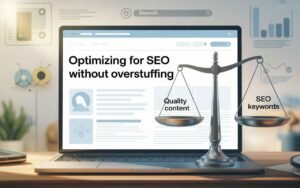
SEO matters, but overloading your description with keywords backfires. Use SEO-friendly business description techniques and incorporate location naturally. Focus on readability while including search terms. Writing clear and effective business descriptions balances keyword usage and human engagement.
H3: Improve Readability
Short sentences, active voice, and clear wording help users. Use paragraphs under 50 words. Include headings or subheadings to improve scanning. Business description readability and clarity tips ensure people quickly understand your services without frustration.
H3: Remove Fluff and Generic Statements
Avoid empty claims like “we are committed to excellence.” Replace with specifics like “We completed over 1,500 projects since 2015 with a 98% satisfaction rate.” Specific statements make your profile credible. Avoid common business description mistakes by being concrete.
H3: Align With Your Brand Voice
Your tone should match your business personality. A law firm should be formal, a surf shop casual. Consistency across the website, social media, and directories enhances recognition. Aligning business descriptions with brand voice is crucial for professionalism and trust.
H2: Editing Business Descriptions Across Platforms
Each platform has limits and expectations. Google allows 750 characters, Instagram allows 150, and LinkedIn allows more space. Tips for optimizing social media business bios ensure clarity in short formats. Platform-specific adjustments prevent truncation or confusion, and platform-specific business description best practices improve overall online presence.
H3: Website About Page
Longer descriptions are fine. Focus on storytelling, services, and results. Include social proof or client testimonials. Best practices for writing online business summaries suggest emphasizing expertise and trustworthiness.
H3: Google Business Profile
Keep under 750 characters. Include location, main services, and years in business. Avoid links or pricing info. Follow Google Business Profile editing guidelines for visibility and compliance.
H3: Social Media Bios
Short bios demand clarity. Use only necessary words. Highlight what makes your business unique. Ways to make a business description more trustworthy by including awards or notable achievements improve engagement.
H3: Online Directories
Directories like Yelp or Trustpilot require plain, readable, and accurate content. Check character limits and rules. Accurate listings improve local search visibility.
H2: Advanced Tips Most Competitors Miss
Structured messaging helps users quickly grasp services. Link each service to search intent. Avoid over-optimization, which can harm rankings. Business Description Optimization Tips suggest reviewing competitors, adding unique details, and showing measurable results. Small improvements often create significant gains in engagement and trust.
H2: Common Mistakes to Avoid
Keyword stuffing, vague claims, and outdated information are harmful. Over-reliance on AI-generated content reduces uniqueness. Use tools to help edit and optimize business descriptions for guidance, but always human-edit for specificity and value. Mistakes reduce trust and engagement significantly.
H2: Tools and Resources to Help Edit Descriptions
Tools simplify editing, SEO, and grammar checks. Grammarly catches passive voice and spelling errors, Hemingway Editor improves readability, and Surfer SEO identifies semantic keywords. Google Business Profile editor helps with compliance. Using tools to help edit and optimize business descriptions streamlines work while keeping content human-friendly.
H2: Before and After Examples
H3: Before – Poor Description
ABC Plumbing provides plumbing services to customers. We work hard to ensure satisfaction. Contact us for plumbing needs.” This description is generic and vague.
H3: After – Optimized Description
ABC Plumbing has served homeowners in Denver for over 15 years. We handle emergency leaks, full bathroom renovations, and routine maintenance. Licensed plumbers are available 7 days a week. Call us for prompt, reliable service.” This version is clear, specific, and trust-building.
Conclusion
Editing your business description is essential for 2026. Accurate, clear, and SEO-friendly descriptions improve visibility, credibility, and conversions. Start with Google Business Profile, then update your website and social media. Use the business description readability and clarity tips and the checklist above. Stay updated, avoid mistakes, and make your description a powerful marketing tool. Following Business Description Editing Guidelines 2026 ensures your business stands out in a competitive online landscape.
